
Soil health is an essential aspect of sustainability in agriculture. Regenerative agriculture practices to improve soil fertility and their resilience to drought are necessary approaches to the issue of “Improving Soil Health Using Regenerative Ag Practices.”
Regenerative agriculture, in contrast to conventional farming practices, focuses on improving the soil’s health. This method aims to see soil as an instrument to grow crops and as an ecological system. This approach includes a range of practices, including planting cover crops, using organic fertilizers, using organic plant methods, and managing water naturally.

Cover crops guard the soil from erosion and help improve soil structure by keeping nutrients. Organic fertilizers enrich the soil, thereby stimulating microorganisms’ activity. Crop rotation practices that are cyclical increase soil fertility by mixing the same area with various crop varieties. Natural water management redirects rainwater towards the soil more efficiently and helps reduce erosion.
Regenerative agriculture’s benefits practices do not only pertain to soil health. They also aid in combating climate change by boosting carbon storage capacity. Improved soil health effectively combat pests and plant diseases since healthy soils produce more resilient plants.
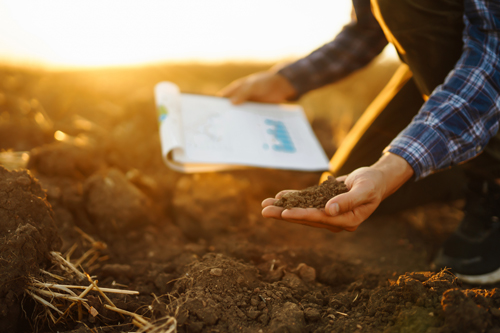

In conclusion, “Improving Soil Health Using Regenerative Ag Practices” is an important step towards increasing agricultural sustainability and ecological health. Regenerative practices in agriculture both boost the earnings of farmers and positively impact the health of the public.
Copyright © 2024 Zeenith Grains Trading LLC. All rights reserved. Powered by Elephant Agency.