
A high-quality food production process is possible not just through efficient agriculture; however, it is also possible with the ability to fight disease as well as harmful microorganisms. Thus, ensuring that plants are healthy and preventing pests from entering the plant is crucial in agriculture.
Plant diseases can occur due to infections caused by microorganisms that infect plants. They hinder the growth of plants, reduce yields, and impact the quality of the crop. Furthermore, harmful organisms can affect plants and cause loss. Thus, battling plant diseases or harmful microorganisms can be crucial in agriculture.
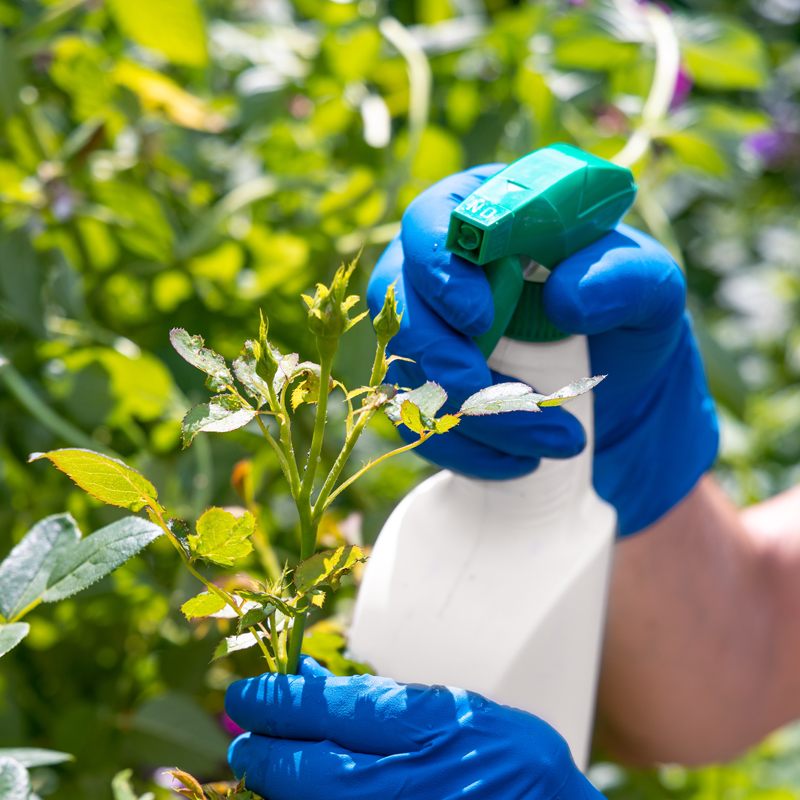
Integrated pest control (INM) is a crucial method for effective control. This method involves employing different techniques like biological control, chemical control, and cultural and physical control. Pesticides can be utilized in chemical control; however, this alone isn’t enough. Biological control allows harmful organisms to be managed by using natural enemies. It helps to stop the spread of disease and pests via cultivation methods and management of fields. Physical combat consists of techniques like traps and barriers and action using mechanical weapons.
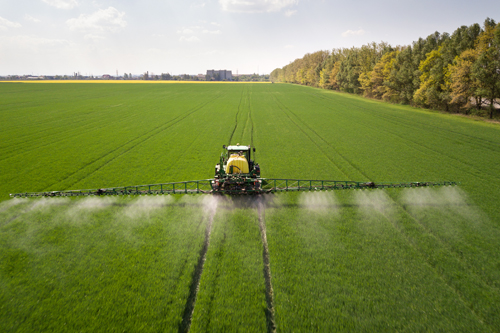
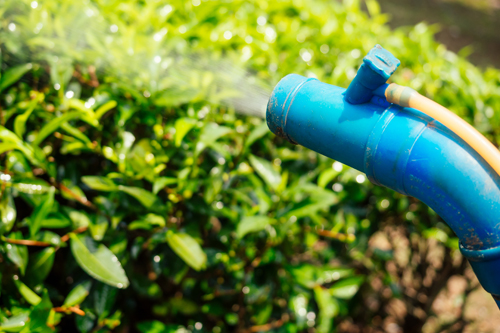
In addition, using disease-resistant varieties of plants is crucial to the long-term sustainability of farming. This decreases the need to use chemical controls, and a more eco-friendly farming system can be developed. These factors indicate that a viable fight against plant diseases and harmful organisms is essential for high-quality food production. This fight is critical to our future agricultural system and food security.
Copyright © 2024 Zeenith Grains Trading LLC. All rights reserved. Powered by Elephant Agency.